


Local conditions, practical repairs
Miami pools face year-round use, heavy rain, and, at exposed coastal properties, salt spray. Repair planning should account for the equipment pad, drainage, access, and the pool’s actual condition.
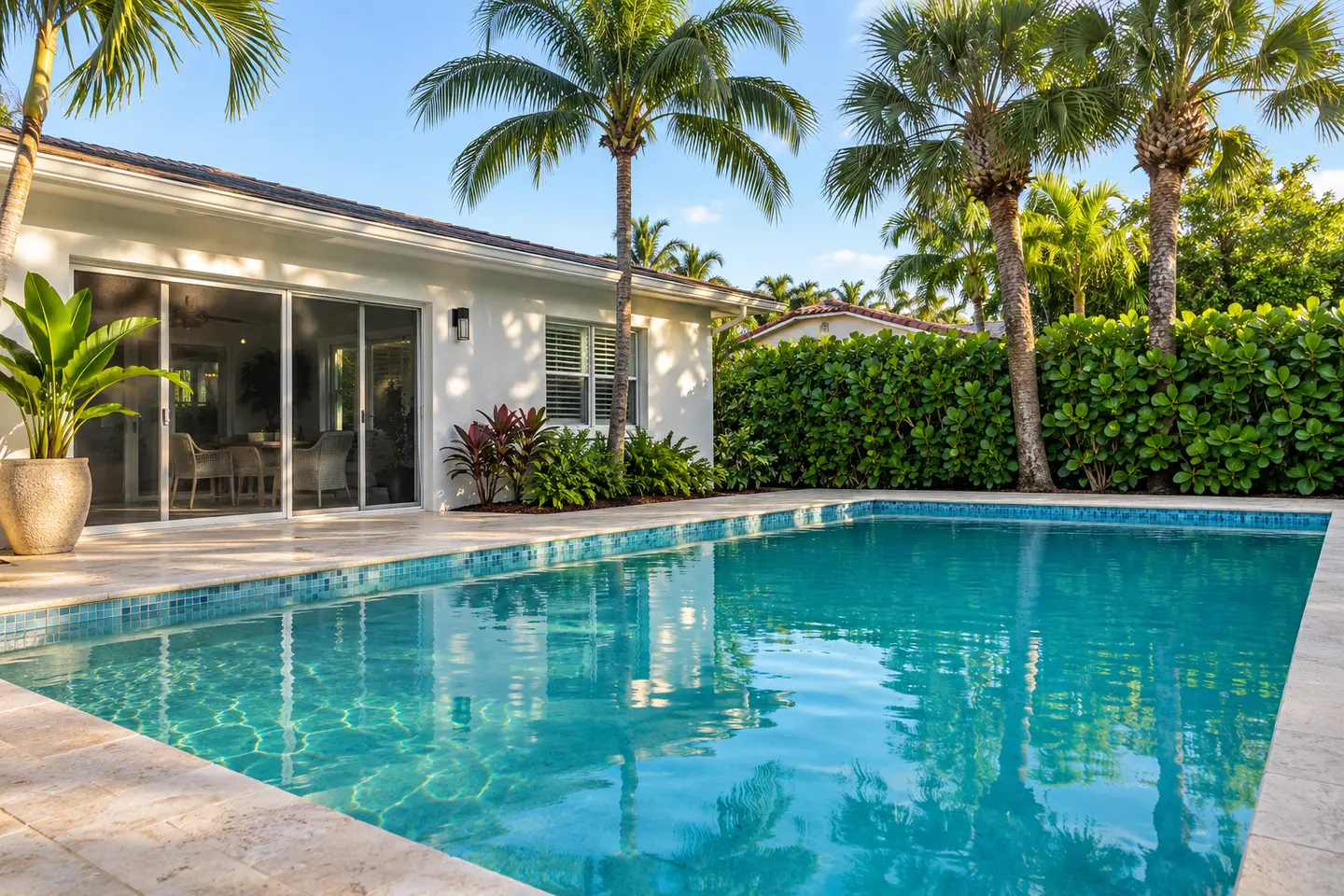
Miami Pool Repair Pro handles commercial pool pump repair, residential and commercial pool resurfacing, pool heater repair, and leak detection in Miami, FL. We help homeowners and property managers plan the right repair for their pool.
We assess the equipment, water loss, and finish condition before recommending work. From a backyard pool to a shared pool, the goal is a clear scope, sensible repair options, and a practical plan for getting back to the water.
Miami pools face year-round use, heavy rain, and, at exposed coastal properties, salt spray. Repair planning should account for the equipment pad, drainage, access, and the pool’s actual condition.
Discuss access and equipment downtime before work begins. For shared pools, include the manager and pool operator so inspections, temporary closures, and any required approvals fit the plan.
Know what the visit will assess and what happens next. A written scope should identify the proposed work, parts, separate repairs, and the decisions that still depend on testing.
A worn seal and a damaged pump housing need different solutions. Evaluate serviceable components first, then compare replacement when condition, parts availability, or operating needs make it worth considering.
Separate diagnosis from repair, and materials from additional work. Compare what is included in access, preparation, equipment connections, cleanup, and startup so the total is easier to understand.
Choose equipment and finishes for the existing system and the way the pool is used. Check compatibility, preparation, manufacturer terms, and aftercare instead of relying on a blanket product promise.
Choose the service that fits your pool. Each repair starts with the system already in place.
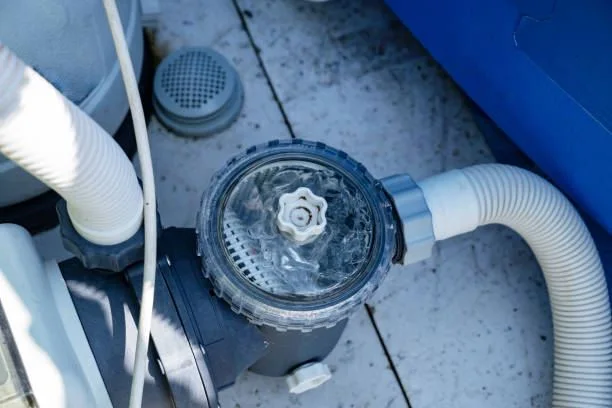
A noisy pump or weak circulation deserves a proper check before buying a new unit. Assess the seals, impeller, motor, and connected plumbing. Explain which parts can be serviced and which faults may justify replacement. Discuss the findings and the next steps before the work begins.
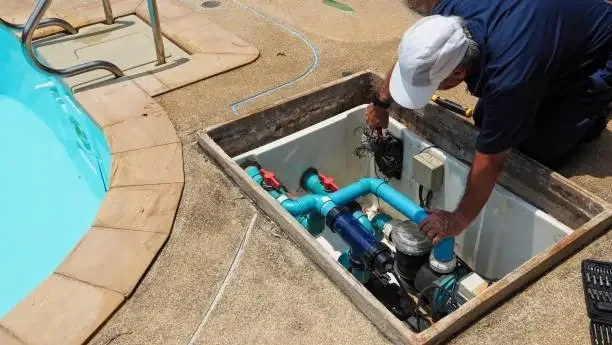
Match a replacement to your pool, filter, heater, and controls. Horsepower alone does not tell the whole story. Plan the plumbing and electrical scope, then set operating speeds for the connected equipment and the way you use the pool. Discuss the findings and the next steps before the work begins.
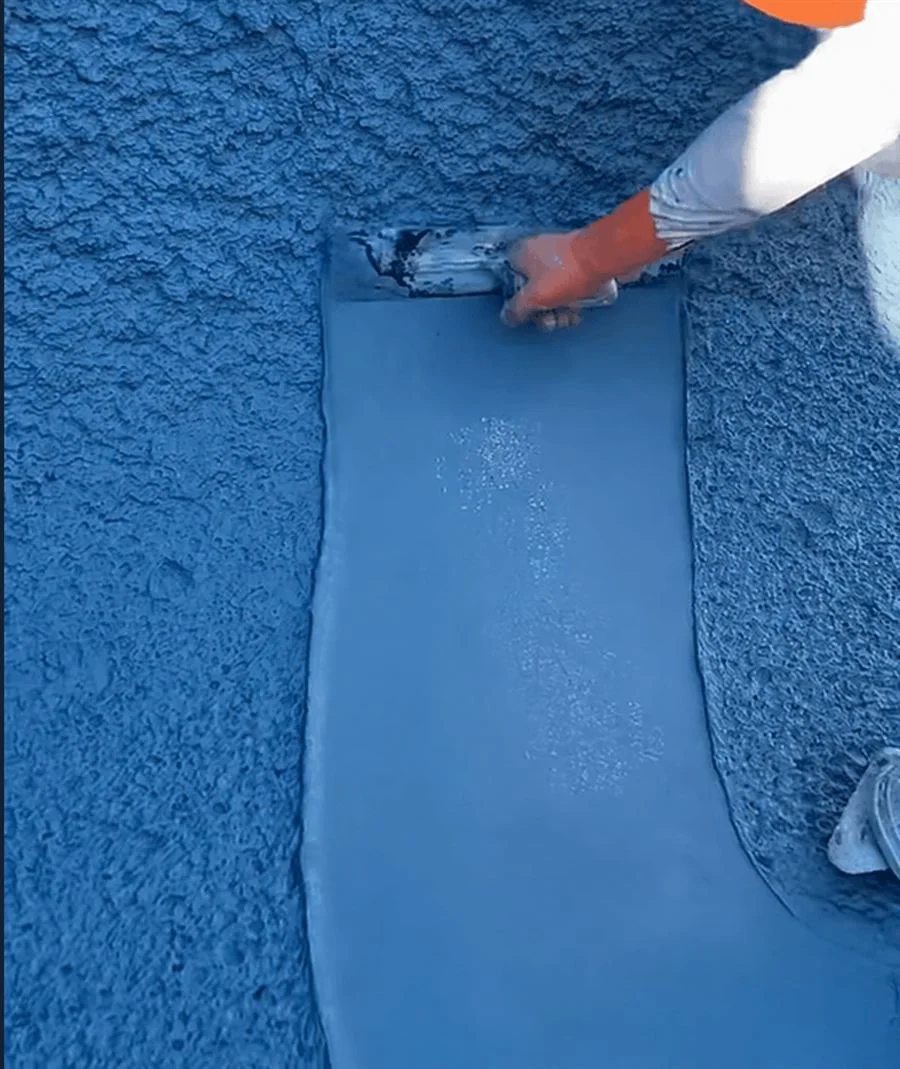
Refresh an interior that has become rough, worn, or loose. Compare plaster, quartz, and aggregate finishes alongside the preparation each needs. Measure the walls, floor, and steps, and include a clear plan for filling, startup, and aftercare. Discuss the findings and the next steps before the work begins.
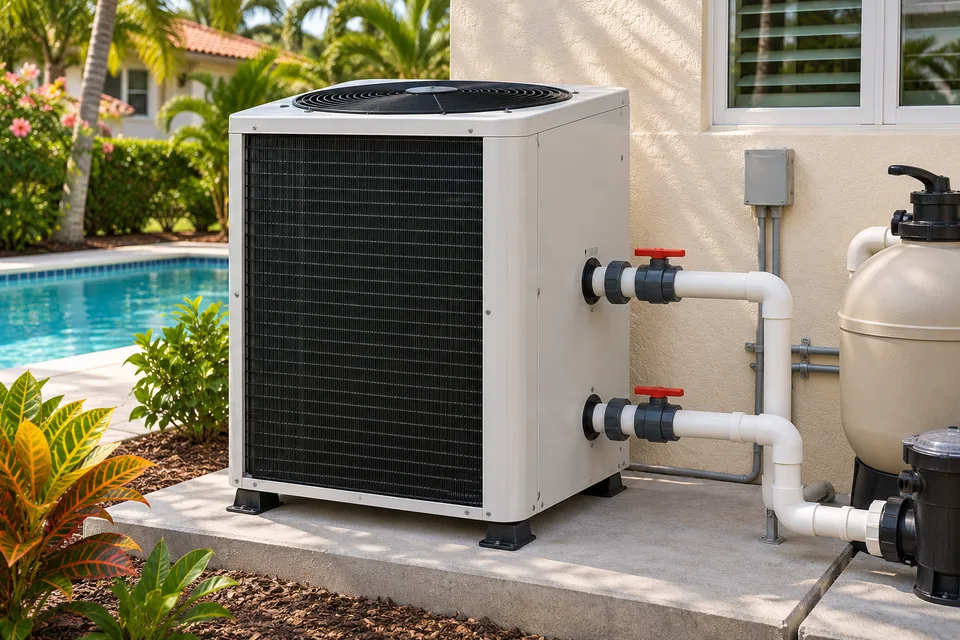
Restore reliable heating by checking the whole system. A heater fault can start with low flow, a dirty filter, a control, or a model-specific component. Compare a repair with replacement based on equipment condition and your heating needs. Discuss the findings and the next steps before the work begins.
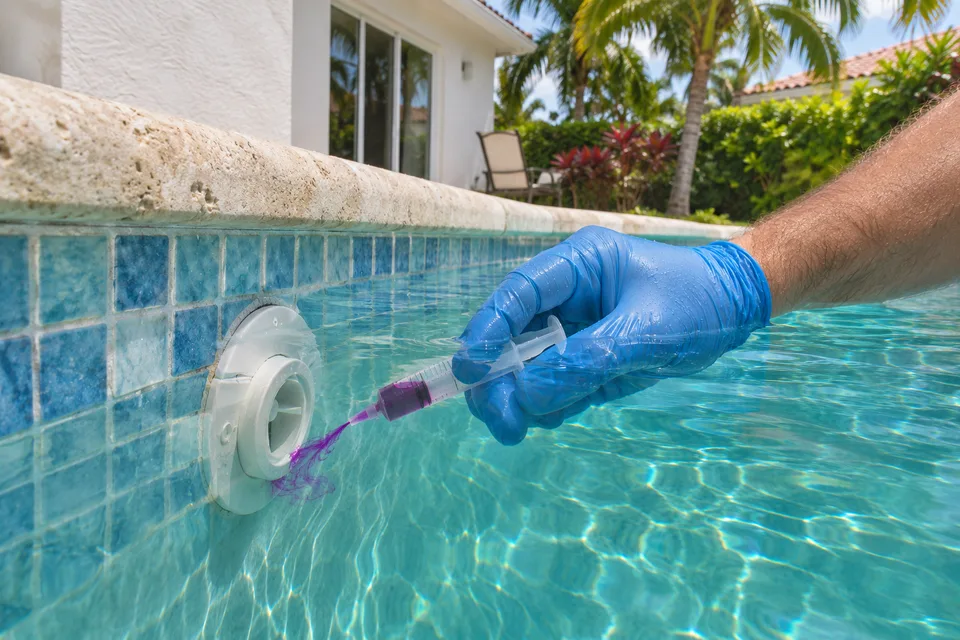
Find the reason for repeated water loss before opening the deck or replacing equipment. Testing may include fittings, plumbing, and visible shell concerns. Keep the diagnostic visit and the recommended repair as separate, clearly explained scopes. Discuss the findings and the next steps before the work begins.
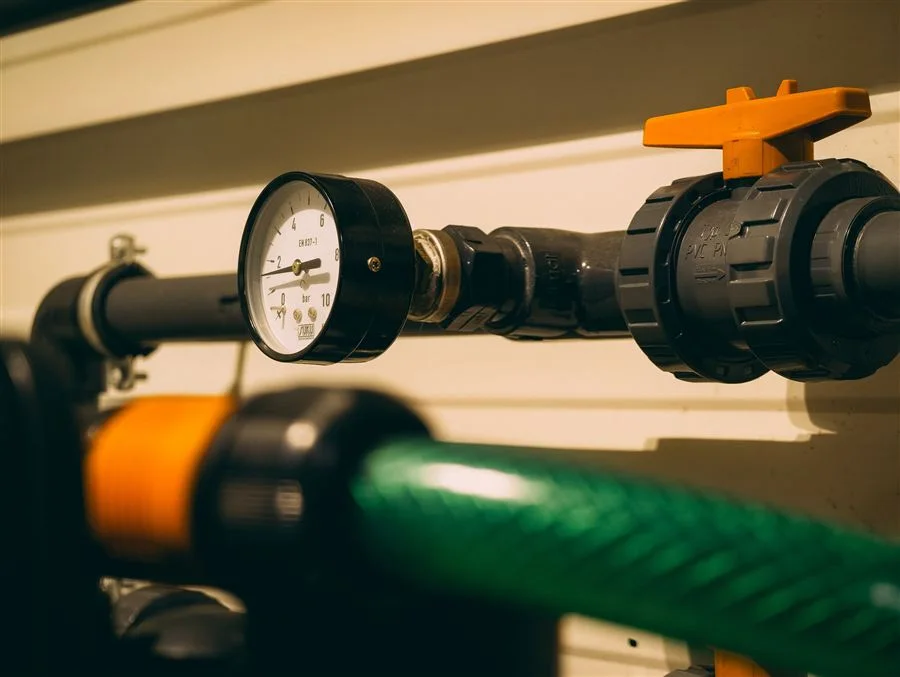
Check the filter, gauge, valves, and seals as part of circulation planning. A serviceable gasket is different from a damaged pressure tank. Match any replacement to the system’s flow and follow the equipment’s safe operating requirements. Discuss the findings and the next steps before the work begins.
Keep the operator involved when a shared pool loses circulation. Assess the pump alongside the filter, treatment equipment, flow requirements, and controls. Plan access and shutdowns, and identify the component repairs that suit the installed system. Discuss the findings and the next steps before the work begins.
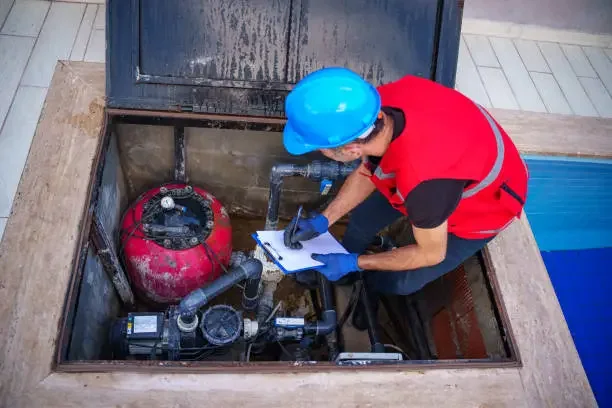
A shared-pool replacement needs more than matching a motor label. Review the approved system, electrical supply, controls, and operating demand. Coordinate equipment changes with the property manager and confirm the applicable review before installation. Discuss the findings and the next steps before the work begins.
Plan the finish around guest use, operator needs, and a realistic closure window. Review preparation, fittings, markings, and the required resurfacing notification. Keep application, startup care, inspections, and reopening as separate milestones in the schedule. Discuss the findings and the next steps before the work begins.
Assess heating performance against the property’s actual demand. Inspect flow, controls, equipment condition, and available parts before recommending major repairs. Discuss service access and shutdown planning with the operator, including any changes to the approved equipment. Discuss the findings and the next steps before the work begins.
Use water-use and operator records to narrow down unexplained loss. Automatic top-up, splash-out, cleaning, and rainfall can obscure the pattern. Plan diagnostic testing around circulation needs, then define the repair scope once the source is identified. Discuss the findings and the next steps before the work begins.
Evaluate filters as part of the entire circulation and treatment system. Compare serviceable internals and seals with a complete replacement where the vessel is damaged. Plan compatibility, access, operating flow, and any required approval before changing equipment. Discuss the findings and the next steps before the work begins.
Use this local budget guide to plan. Request a written estimate for your equipment and repair scope.
| Service | Budget range |
|---|---|
| Leak detectionDiagnostic scope; repairs separate | $200–$500 |
| Minor pump repairServiceable components | $200–$500 |
| Variable-speed pump replacementEquipment and installation scope | $900–$2,800 |
| Pool heater repairEquipment-specific repair | $200–$700 |
| Pool resurfacingWhite plaster; stated 16 × 32 ft example | $5,000–$10,000 |
| Service | Pricing |
|---|---|
| Commercial pump repair & replacementFacility-specific equipment and operating scope | Site-specific quote |
| Commercial filter, heater & leak workAccess, testing, parts, and required review | Site-specific quote |
| Commercial pool resurfacingMeasured interior, preparation, startup, and closure plan | Site-specific quote |
External benchmarks from Deep Blue Pool & Spa’s April 2026 South Florida/Miami guide. They are not Miami Pool Repair Pro quotes or a statistical average. Equipment, access, pool dimensions, and repair scope change the estimate.
Describe the water loss, equipment issue, or finish concern. Share the model and useful photos.
Check the affected system and narrow the cause before choosing parts or a finish.
Review repair, replacement, or resurfacing with a clear written scope.
Confirm access, materials, any required review, and a practical schedule.
Complete the agreed work and check the affected equipment or repaired area.
Review operation, startup where needed, written product terms, and the next steps.
Commercial pool pump repair, residential and commercial resurfacing, heater repair, and leak detection are the four main services. Residential pump replacement and filter work are covered on the pump repair page.
Compare the failed component, overall condition, parts availability, and the connected system. A repair may make sense for a serviceable part; replacement needs a full compatibility and installation plan.
Requirements depend on the property’s jurisdiction and the electrical, plumbing, structural, and public-pool scope. City of Miami and unincorporated Miami-Dade have different processes and exemptions.
Commercial work needs coordination with the manager and pool operator. Plan access, shutdowns, any required reviews, and reopening separately rather than assuming a residential repair schedule.
Use the local budget guide as an external planning benchmark. A written estimate depends on the equipment, measured pool interior, access, and the repair that testing identifies.
Applicable product terms depend on the chosen material, installation, and care. A manufacturer’s material warranty and any contractor labor coverage should be explained separately.